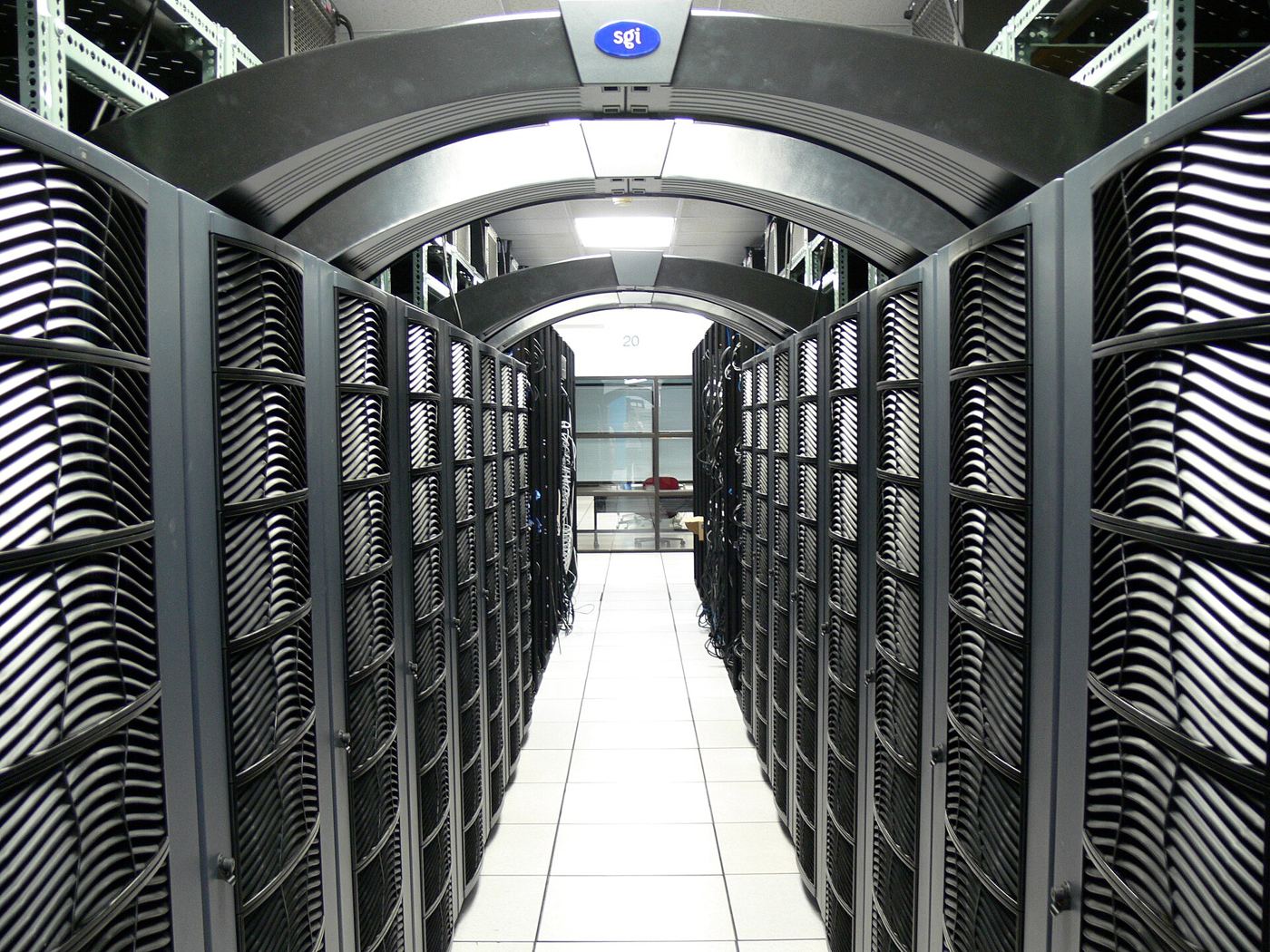
Artificial intelligence has a power bill, and it is growing fast. The International Energy Agency estimated that the world’s data centres used about 415 terawatt-hours of electricity in 2024, roughly 1.5 percent of all the electricity humanity consumes, and in an update published in April 2026 it reported that consumption had risen 17 percent in a single year to about 485 terawatt-hours in 2025. The agency’s central forecast sees demand roughly doubling to about 950 terawatt-hours by 2030, close to 3 percent of global electricity, with AI-focused data centres tripling over the same period. A single large AI training run can consume as much electricity as thousands of homes, and the newest data centres draw as much power as a small city. The United States and China account for almost 80 percent of the expected increase.
What the Evidence Shows
The energy demand is now one of the biggest constraints on the AI boom. Tech companies are signing deals to buy nuclear power, building gas plants and reviving old power stations to feed their data centres, while utilities warn that grids in some regions cannot keep up. At the same time, the industry points out that AI itself can save energy, by optimising power grids, designing more efficient buildings and accelerating the discovery of new materials for batteries and solar panels. The IEA notes that the energy used per AI task has fallen sharply, but total demand keeps rising because the number of tasks grows even faster. The question is no longer whether AI will reshape the energy system, but whether the energy system can grow fast enough to keep up with AI. Reporting and analysis from sources such as IEEE Spectrum track the same developments, and specialists following AI data centre electricity demand say the direction is now consistent across independent lines of evidence.
The Wider Context
Adoption of AI data centre electricity demand follows a familiar pattern with an unfamiliar speed. Early users tolerate rough edges in exchange for advantage, mainstream users arrive when the tool disappears into existing workflows, and the market consolidates around whoever made that transition feel effortless. Vendors are racing less on raw performance now than on integration, support and trust.
What Happens Next
The realistic forecast for AI data centre electricity demand is steady integration rather than sudden replacement: embedded in products people already use, improving in increments, and regulated in proportion to its reach. The companies and institutions that plan on that basis, training staff and redesigning processes instead of chasing launches, are the ones the adoption data tends to vindicate. You can follow related developments in our coverage of technology.
It is also worth remembering how quickly the picture in this area has changed before. Positions that looked settled a few years ago have been revised as new data arrived, and the same humility is appropriate now. The strongest coverage of this subject, and the most useful advice, tends to come from sources that update their views openly when the facts move, rather than defending an earlier position long after it has stopped fitting the evidence available.
