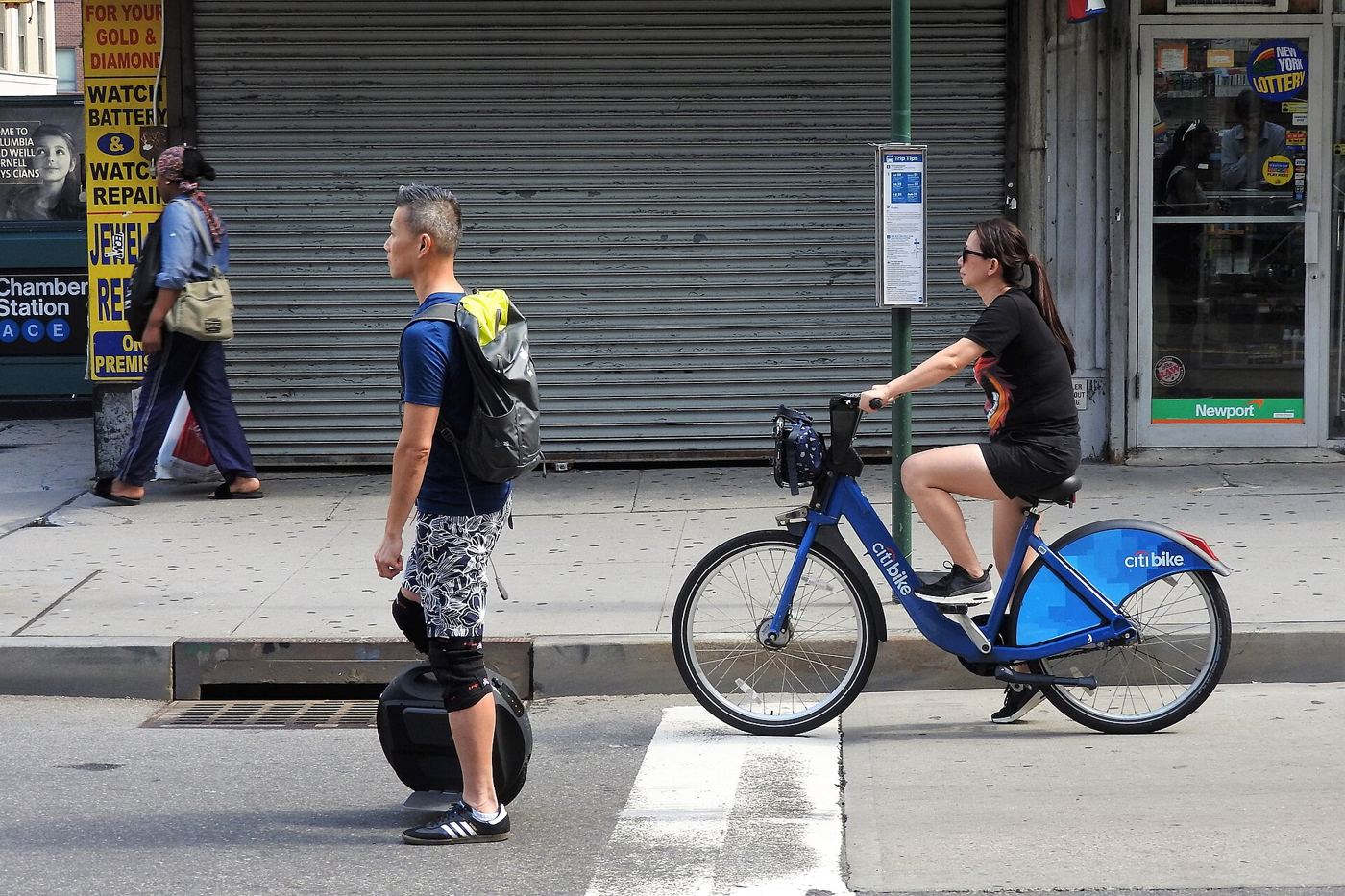
An electric bike looks much like an ordinary bicycle, but a small motor hidden in the frame or the wheel hub gives the rider a gentle push with every turn of the pedals. The effect is striking: steep hills flatten out, headwinds fade, and a journey that once left the rider sweating becomes a comfortable ride in everyday clothes. The motor only assists while the rider pedals, and it cuts out above a legal speed limit, so the bike still feels like a bicycle rather than a motorbike. Commuters have embraced them for trips that are too far to walk and too awkward for a car, and older riders and those with sore knees have found they can keep cycling for years longer. Sales have grown rapidly in cities around the world, and electric bikes now outsell electric cars in several countries. Delivery riders have adopted them too, using the motor assistance to carry heavy loads across a city all day.
What the Evidence Shows
Choosing an electric bike comes down to a few practical questions. Battery range matters most: a small battery may cover a short commute easily but run flat on a longer ride, especially in hilly areas, while a larger battery adds weight and cost. The position of the motor changes the feel, with hub motors offering simple, quiet assistance and mid-drive motors giving better balance and hill-climbing power. Maintenance is similar to an ordinary bike, though the battery will eventually need replacing, and riders should budget for a good lock, since electric bikes are popular targets for thieves. Prices have fallen as the technology has matured, and many cities now offer subsidies or shared hire schemes. For anyone who has ever been put off cycling by a steep hill, the electric bike has removed the hardest part of the ride. Reporting and analysis from sources such as IEEE Spectrum track the same developments, and specialists following the electric bikes making hilly commutes feel flat say the direction is now consistent across independent lines of evidence.
The Wider Context
Adoption of the electric bikes making hilly commutes feel flat follows a familiar pattern with an unfamiliar speed. Early users tolerate rough edges in exchange for advantage, mainstream users arrive when the tool disappears into existing workflows, and the market consolidates around whoever made that transition feel effortless. Vendors are racing less on raw performance now than on integration, support and trust.
What Happens Next
The realistic forecast for the electric bikes making hilly commutes feel flat is steady integration rather than sudden replacement: embedded in products people already use, improving in increments, and regulated in proportion to its reach. The companies and institutions that plan on that basis, training staff and redesigning processes instead of chasing launches, are the ones the adoption data tends to vindicate. You can follow related developments in our coverage of technology.
It is also worth remembering how quickly the picture in this area has changed before. Positions that looked settled a few years ago have been revised as new data arrived, and the same humility is appropriate now. The strongest coverage of this subject, and the most useful advice, tends to come from sources that update their views openly when the facts move, rather than defending an earlier position long after it has stopped fitting the evidence available.
