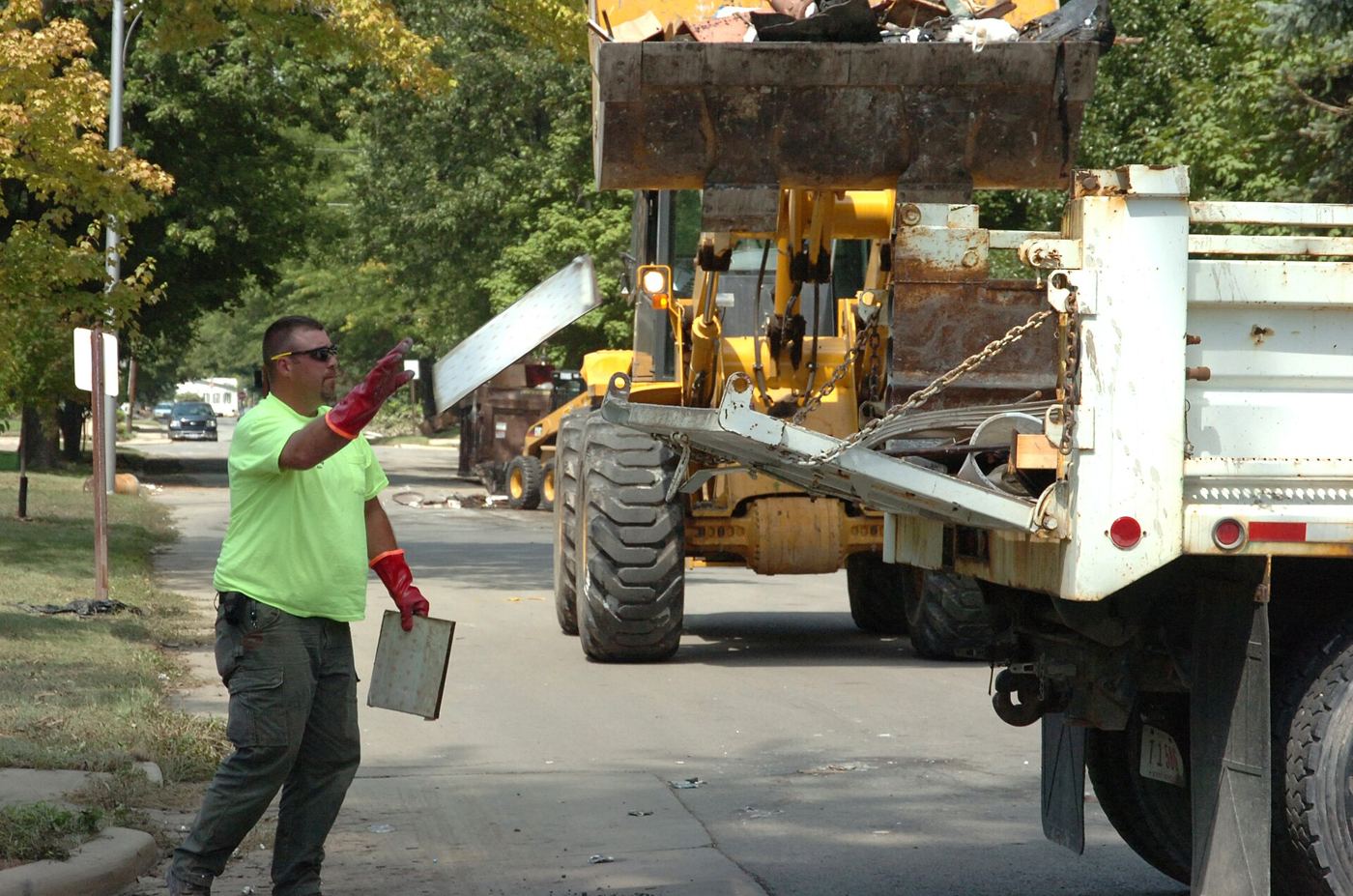
Cleanup crews have been clearing flooded streets, blocked drains, and debris left behind after heavy rainfall overwhelmed parts of the drainage network. Workers pump standing water from underpasses, sweep silt from pavements, and check homes and businesses where water entered ground floors. Local officials urge residents to stay away from remaining floodwater, which can hide open drains and carry contamination from sewers and roads. Electricity and gas suppliers work alongside emergency teams to make damaged properties safe before repairs begin. For many households, the immediate priority is drying belongings and documenting damage for insurance claims. Schools and community centres in affected areas often serve as support hubs, offering charging points, hot drinks, and a place to obtain advice while homes are made habitable again.
What the Evidence Shows
Community volunteers often join the recovery, helping neighbours move furniture, clean schools and clinics, and distribute food where kitchens remain unusable. Health officials advise thorough hand washing, protective gloves during cleanup, and discarding food that has contacted floodwater. Councils face questions after each flood about drain maintenance, building on flood plains, and investment in defences and natural water storage upstream. Engineers caution that no single measure prevents all flooding during extreme rain. What communities consistently ask for is faster warnings, clearer information during an event, and support that continues after the water recedes. Local councils say lessons from this cleanup will feed into updated flood plans, including where to pre position pumps and sandbags before forecast storms arrive in the months ahead this winter. Reporting and analysis from sources such as Associated Press track the same developments, and specialists following flooded street cleanup and recovery say the direction is now consistent across independent lines of evidence.
The Wider Context
Regional and local reporting on flooded street cleanup and recovery often tells a different story from national coverage, because the effects land unevenly: one town’s pilot is another’s distant proposal. Analysts who follow the subject full-time read the local data first, arguing that national averages conceal the variation that decides whether a policy or a project deserves to spread.
What Happens Next
The longer story of flooded street cleanup and recovery is still being written by the people closest to it, whose experience rarely matches the earliest predictions of either supporters or critics. Reporting will continue to follow the evidence as it accumulates, including where it complicates today’s account. That is the deal serious coverage makes with its readers, and it holds for this subject as for any other. You can follow related developments in our coverage of news.
It is also worth remembering how quickly the picture in this area has changed before. Positions that looked settled a few years ago have been revised as new data arrived, and the same humility is appropriate now. The strongest coverage of this subject, and the most useful advice, tends to come from sources that update their views openly when the facts move, rather than defending an earlier position long after it has stopped fitting the evidence available.
