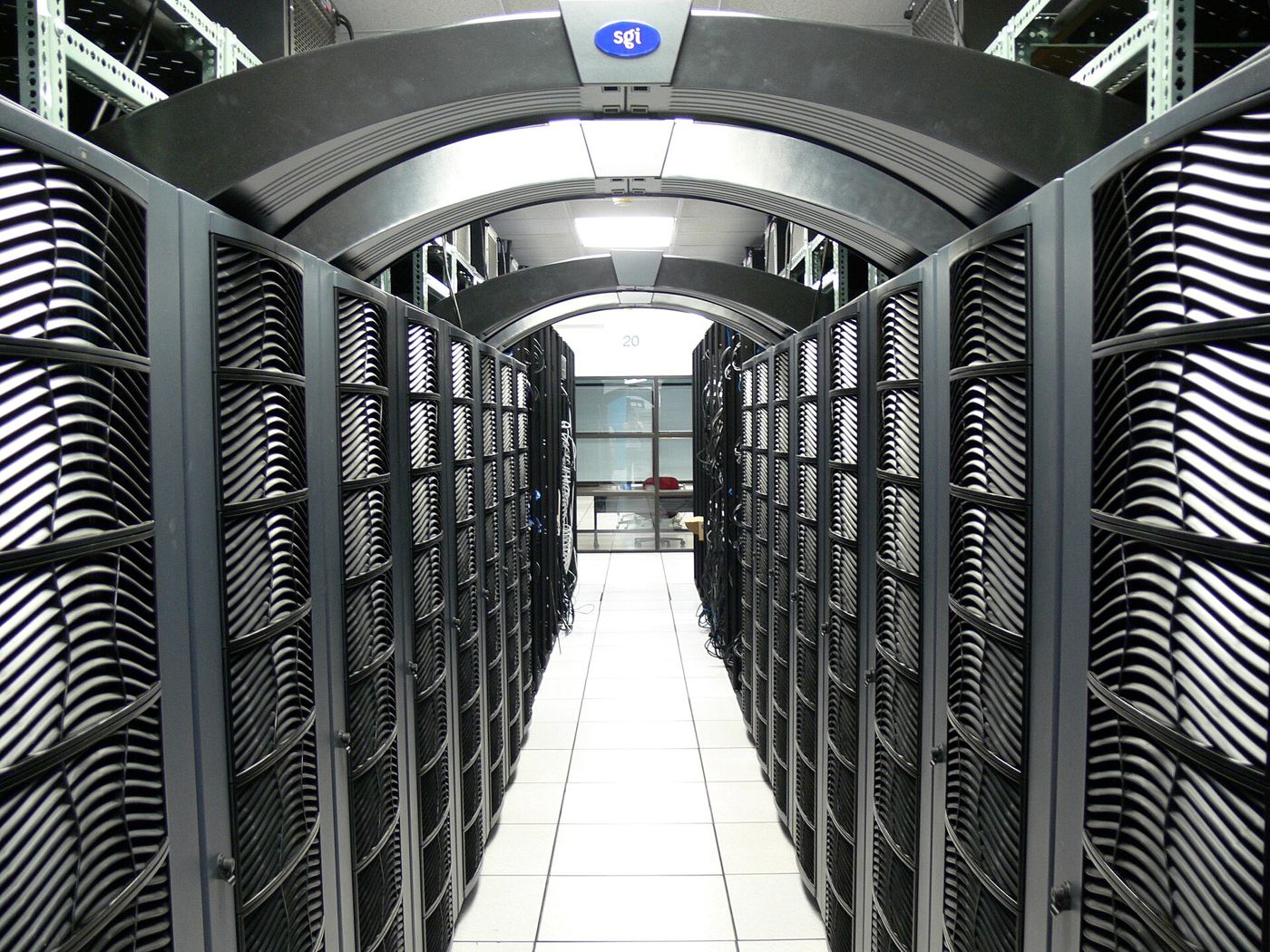
SpaceX outlined plans on 12 November for more than 74 billion dollars of investment in two giant AI supercomputing campuses in the United States, with over 24 billion dollars earmarked for Texas and about 50 billion dollars for Cochise County in Arizona. The campuses would house the computing power needed to train and run advanced artificial intelligence models, part of a wider race among technology companies to build ever-larger data centres. Planned investment on this scale would make the sites among the largest AI infrastructure projects ever proposed. The announcement underlines how the AI boom is reshaping not only software, but the physical landscape of power, land and construction. Training a single frontier AI model can require the computing power of tens of thousands of accelerators running for months, which is why the race to build data centres has become so intense.
What the Evidence Shows
The Arizona project still requires local approvals and faces community concerns about its impact, a reminder that proposed spending is not the same as built infrastructure. Across the United States, residents near planned data centres are raising questions about electricity demand, water use and the strain on local grids. On 3 November, voters favoured limiting data-centre development in 40 of 41 local ballot measures tracked, showing how strongly some communities feel. Whether SpaceX’s campuses go ahead, and in what form, will depend on permits, power agreements and local consent as much as on the company’s ambitions. Power supply is often the deciding factor, since a large campus can consume as much electricity as a small city, and grid operators must approve every new connection. Reporting and analysis from sources such as IEEE Spectrum track the same developments, and specialists following SpaceX’s proposed AI supercomputing campuses say the direction is now consistent across independent lines of evidence.
The Wider Context
Adoption of SpaceX’s proposed AI supercomputing campuses follows a familiar pattern with an unfamiliar speed. Early users tolerate rough edges in exchange for advantage, mainstream users arrive when the tool disappears into existing workflows, and the market consolidates around whoever made that transition feel effortless. Vendors are racing less on raw performance now than on integration, support and trust.
What Happens Next
The realistic forecast for SpaceX’s proposed AI supercomputing campuses is steady integration rather than sudden replacement: embedded in products people already use, improving in increments, and regulated in proportion to its reach. The companies and institutions that plan on that basis, training staff and redesigning processes instead of chasing launches, are the ones the adoption data tends to vindicate. You can follow related developments in our coverage of technology.
It is also worth remembering how quickly the picture in this area has changed before. Positions that looked settled a few years ago have been revised as new data arrived, and the same humility is appropriate now. The strongest coverage of this subject, and the most useful advice, tends to come from sources that update their views openly when the facts move, rather than defending an earlier position long after it has stopped fitting the evidence available.
