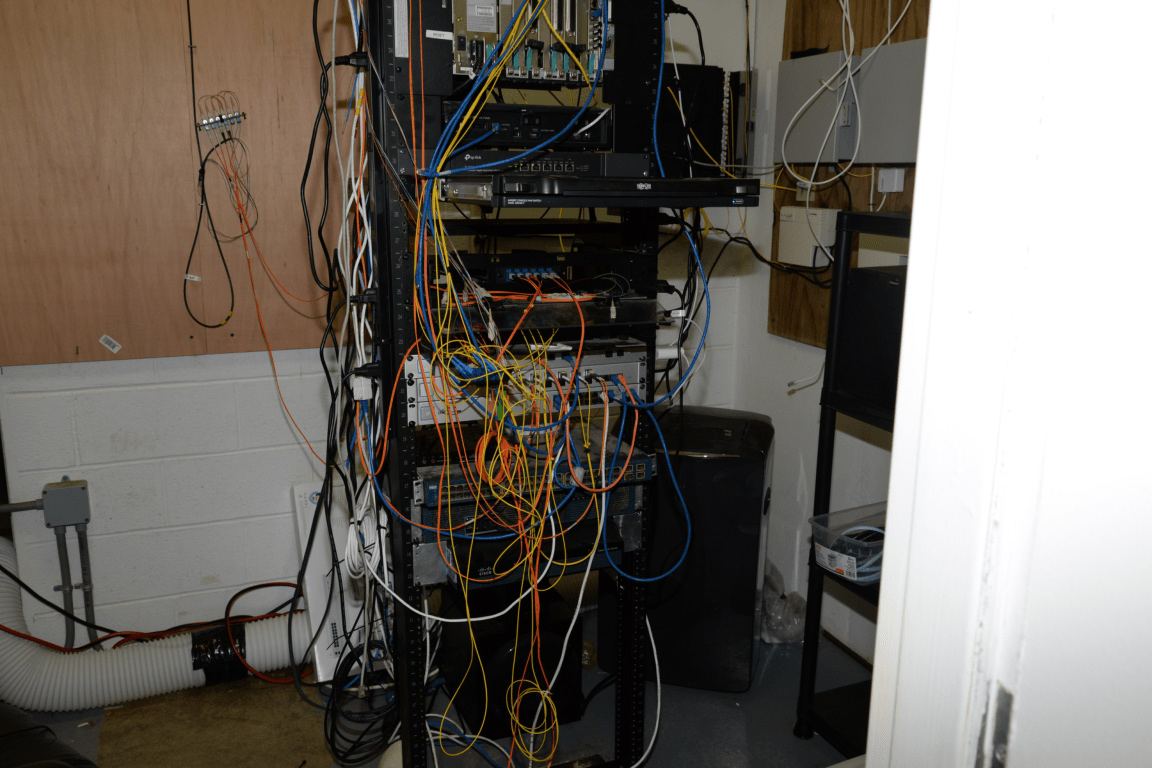
Stock exchanges and trading firms are investing in faster network links as competition increasingly turns on microseconds of delay between a price changing and an order arriving. New fibre routes, upgraded switching equipment and servers placed closer to exchange systems all shave tiny fractions of time from each trade. Exchanges say the upgrades also improve overall capacity and resilience, benefits they argue extend beyond the fastest trading firms. Similar upgrades are under way at exchanges across three continents.
What the Evidence Shows
Critics question whether ever-smaller speed advantages justify the spending, and regulators continue to examine whether they disadvantage slower, long-term investors. Some markets have responded with mechanisms that deliberately equalise access, such as standardised delays on incoming orders. Technology officers counter that modern markets simply require modern infrastructure, pointing out that the same networks carry pension fund trades and everyday investor orders alongside high-speed strategies competing for fleeting price differences. The debate is expected to continue as speeds keep rising. Reporting and analysis from sources such as World Bank track the same developments, and specialists following the race for faster trading networks say the direction is now consistent across independent lines of evidence.
The Wider Context
For households and small firms, the race for faster trading networks matters through prices and access rather than through market commentary. Changes at this level arrive as a rate on an offer letter, a fee on a statement or a product that quietly disappears from a comparison table. Consumer groups argue that transparency at exactly that point of decision is worth more than any amount of market-level reporting.
What Happens Next
The outlook for the race for faster trading networks hinges on policy choices that will be made in the open over the coming quarters. Market participants are positioned for more than one outcome, which is why the immediate reaction to each announcement has been smaller than the commentary around it. For ordinary savers and borrowers, the advice from every quarter is the same: review your own position, not the headlines. You can follow related developments in our coverage of finance.
It is also worth remembering how quickly the picture in this area has changed before. Positions that looked settled a few years ago have been revised as new data arrived, and the same humility is appropriate now. The strongest coverage of this subject, and the most useful advice, tends to come from sources that update their views openly when the facts move, rather than defending an earlier position long after it has stopped fitting the evidence available.
None of this will be settled by a single announcement, study or product launch. The pattern to watch is accumulation: independent confirmations, honest reporting of failures and steady improvement in the underlying numbers. Readers who follow those signals, rather than the loudest claim of the week, will understand this subject better than most of the commentary surrounding it suggests is possible.
